Real Support for Real Students: The Stimulation Profile System
-
The Stimulation Profile is a student-specific support system that helps school teams recognize sensory triggers, regulation patterns, and executive functioning needs—before behaviors escalate.
It's built for educators who want to move beyond reactive discipline and instead support students experiencing:
Early signs of overwhelm
Shut-downs, refusals, or overstimulation
Sensory-seeking or avoidant behaviors
Struggles with task initiation or completion
Instead of waiting for an FBA or behavior plan to catch up, this tool gives teams a way to:
Document what's happening in real time
Identify what helps and when
Align IEP, BIP, and classroom strategies to the student's actual regulation needs
Think of it like an early-warning system for behavior. It doesn’t replace your IEP team—it makes your team more effective.
What It Does
Highlights Triggers – Identifies patterns across settings and sensory systems
Clarifies Support – Helps teams match strategies to the student's real needs
Prevents Escalation – Reduces shutdowns, meltdowns, and disciplinary cycles
Additional Support Areas
Task initiation and follow-through
Sensory-seeking or avoidant behaviors
Overwhelm during transitions or group time
Refusals and shutdowns are misunderstood as
"noncompliance" or “student conduct referrals”
Improved academic performance
Decrease in disciplinary referrals
What It’s Not
The Stimulation Profile is not an FBA. It is not a replacement for related services or evaluations. It is a preventative support layer that helps students and staff meet earlier, not later.
-
This system is based on practices aligned with:
CHADD (Children and Adults with ADHD)
Autism Society
STAR Institute for Sensory Processing
A brain-based lens grounded in evidence-based neuroscience.
PBIS (Positive Behavioral Interventions and Supports) Frameworks
Integration of real-world IEP data to guide practical classroom implementation
MTSS (Multi-Tiered System of Supports) and RTI (Response to Intervention) models
Cognitive Behavioral Therapy (CBT) and trauma-informed
-
The Stimulation Profile System helps schools close the gap between behavior support and academic success. It’s not just another data sheet—it’s a proactive framework that:
Gives IEP teams a clear, consistent way to document executive functioning, sensory triggers, and regulation needs
Speech, occupational therapy, and counseling providers utilize the same tool to identify patterns across various settings.
Prevents unnecessary disciplinary actions by identifying patterns before escalation
Supports collaboration across general education, special education, and behavior teams
Improves IEP document quality by aligning classroom observations with accommodations and service decisions
Empowers educators with tools that are evidence-based, easy to use, and rooted in lived experience
Behavior teams acquire real-time regulation data, moving beyond the confines of incident logs.
IEP teams formulate accommodations and supports that are genuinely aligned with classroom activities.
Educators utilize the Stimulation Profile not only because of its effectiveness but also because it facilitates timelier and more precise decision-making within the team. General educators exhibit increased confidence and reduced reactivity. When teams consistently apply this tool, they transition from merely responding to behavior to achieving a comprehensive understanding of it. This approach empowers both staff and students, enhancing their experiences throughout the entire process, significantly beyond the IEP table.
-
The Stimulation Profile System is built with embedded alignment to key federal education laws, including the Individuals with Disabilities Education Act (IDEA), Section 504 of the Rehabilitation Act, and Title II of the Americans with Disabilities Act (ADA).
The system reinforces lawful documentation practices, promotes disability-aware language, and helps teams proactively address executive functioning, regulation, and sensory needs in a way that supports—rather than replaces—legal obligations.
When used as designed, the Stimulation Profile can serve as a district-level support tool to strengthen:
• Child Find efforts
• FAPE access and delivery
• Behavioral observation protocols
• Comprehensive evaluation processes
Use of the system does not transfer or eliminate legal responsibility. Final compliance decisions remain with the district at all times.
Stimulation Profile Guide Overview
The full Stimulation Profile System is delivered as an 8-part educator guide. Each section builds toward team-wide implementation and behavior prevention at the earliest possible stage:
1. What Is a Stimulation Profile
2. Understanding Sensory Behavior
3. Executive Functioning Through a Brain-Based Lens
4. From Observation to Support
5. Implementation Walkthrough
6. Outcome Summary
7. Educator Planning Toolkit
8. Data Collection Tools
Student Outcome Data
Domains of Measurement:
Behavioral Regulation
Use of Supports
Academic Performance
Social Communication
Alignment of Plans
Disciplinary History
Functional Communication
Performance Results:
Student A: 78% overall improvement (shutdowns down 75%, independent use of tools up to 80%)
Student B: 75% overall improvement (outbursts down 50%, tool use up to 75% with prompting)
Supports are now integrated into IEPs and BIPs, reducing behavioral referrals and improving classroom engagement
This Isn’t Theory—It’s Proof.
Download the data summary from our pilot implementation and see the actual numbers that helped shift support plans, reduce referrals, and improve classroom engagement.

Explore the Stimulation Profile in action. Download the Trial Packet and discover how it supports real teams and real students.
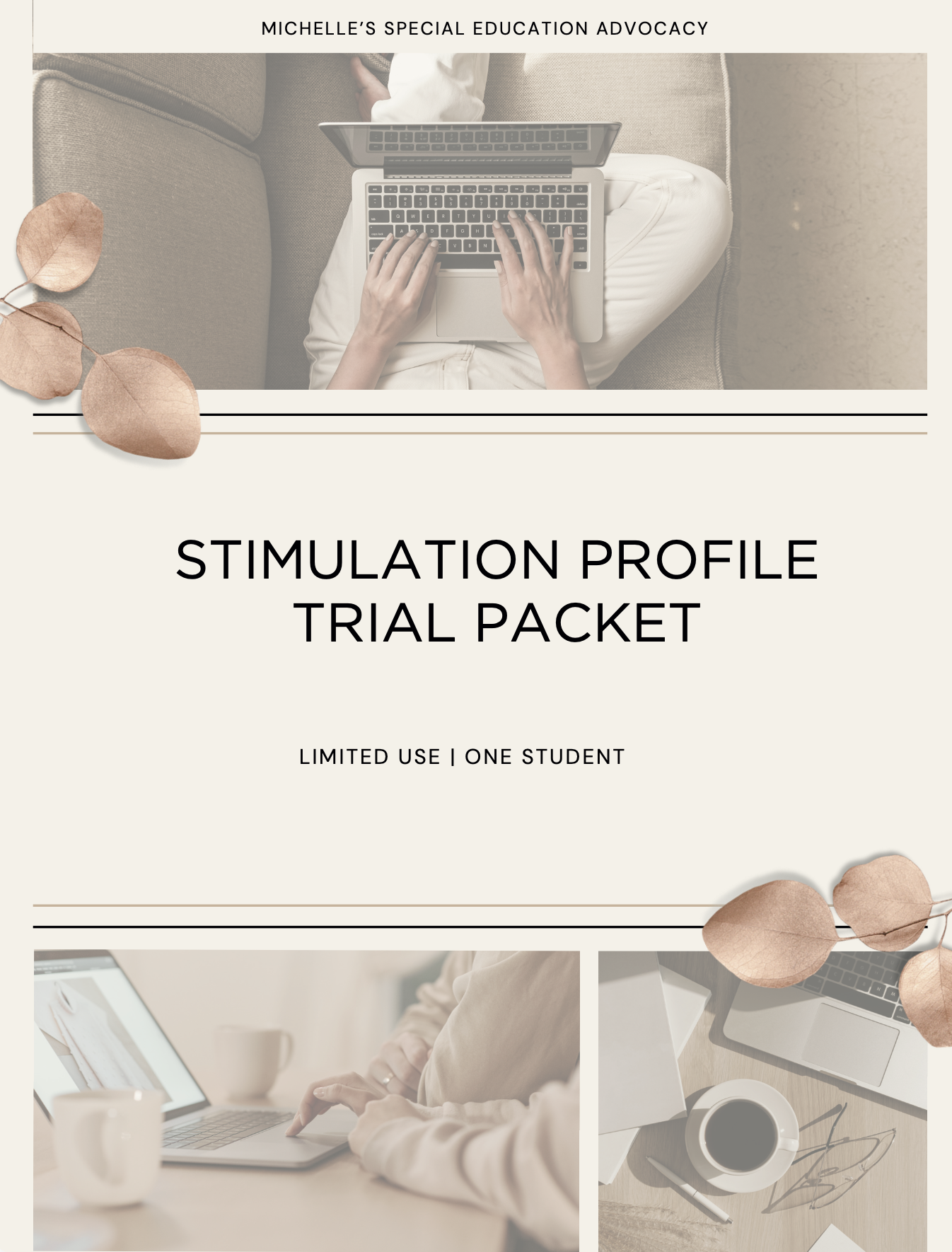
Download a sample version of the Stimulation Profile System designed for district leadership teams. This limited-use trial includes real-world implementation tools, data prompts, and aligned language to help you explore whether the system fits your team’s needs.
This sample is for internal district preview only with one student and may not be distributed or shared with outside parties without written permission.
From First Call to Full Rollout: The Path to Confident Implementation
Trial Access
Explore with Confidence
You can start with a trial access. This gives your team a chance to use the Stimulation Profile System with real IEP team input and student success—while staying compliant, protected, and supported.
Try it in action before you commit. All trial options include fidelity support and administrator onboarding.
I’m here to support you throughout the trial period as well! If you have any questions or concerns, don’t hesitate to reach out through the scheduling page— I’m ready to help you every step of the way.
Licensing Consultation
Custom Fit for Your District
Every district is different. We offer a no-pressure consultation to walk through your team size, goals, and needs. From small rollouts to full-county implementation, we tailor the licensing terms to match.
Includes a full walkthrough of licensing tiers, staff training options, and implementation paths.
Professional Development
Train the Team, Shift the Culture
Whether virtual or in-person, our PD brings clarity, confidence, and real-world strategies. Your staff will leave with tools they can use immediately—and a deeper understanding of executive functioning, regulation, and sensory needs.
Includes training for general and special educators, support staff, and leadership. Built for long-term fidelity.
Ongoing Support
Sustain and Grow
Once you license the system, you are never on your own. Michelle provides implementation support, admin guides, fidelity rubrics, and optional follow-up coaching to ensure it works—your way, your timeline.
Support continues beyond the rollout. You’ll have access to updates, refreshers, and real-time guidance.
Bridging Clinical Insights with Classroom Support:
The Collapse-to-Recovery Lens
Observing Recovery, Not Just Escalation
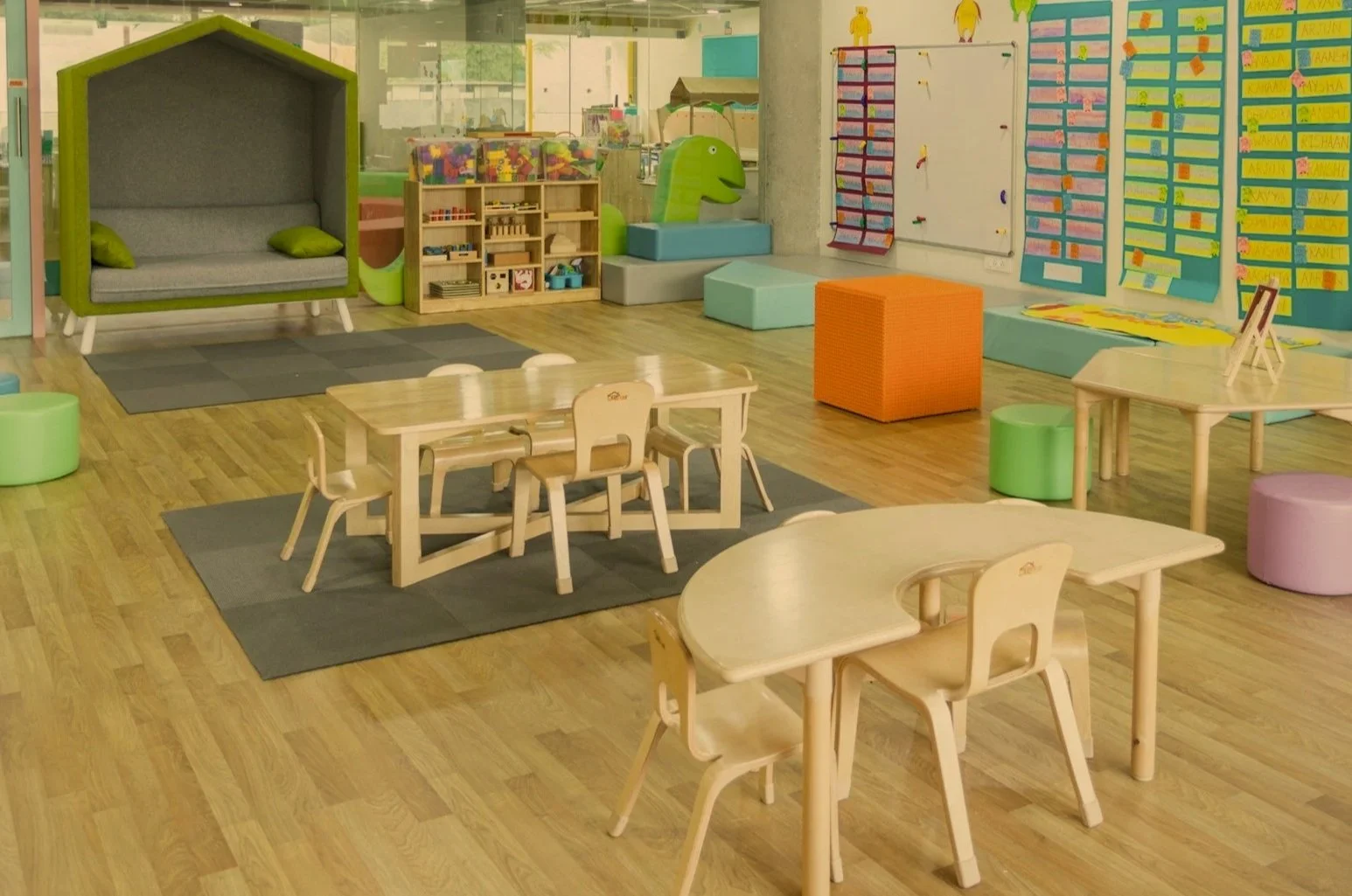
The Collapse-to-Recovery Lens introduces observable stages between dysregulation and task reengagement—aligned with student support needs, that educators use daily within Behavior Intervention Plans. This provides district staff with a resource for gathering data that is normally not documented outside of Social Work Services through Cognitive Behavior Therapy-based insights.
This lens helps school teams recognize:
Executive functioning “collapse” moments (e.g., withdrawal, shutdown, task refusal)
Recovery points (return to regulation, use of tools, re-engagement
Observable classroom behaviors that mirror internal cognitive overload
This framework gives educators a structured way to:
Document patterns of dysregulation without guessing at clinical intent
Reflect on the timing and context of student behavior
Plan interventions that are support-based rather than consequence-based
Developed through a brain-based perspective grounded in psychological research and professional training, the Collapse-to-Recovery framework connects observable behaviors to supports that foster recovery, task engagement, and sustained access to learning, focusing particularly on executive functioning, self-regulation, and sensory processing.
The Stimulation Profile System features an emerging fidelity tool known as the Collapse-to-Recovery Lens, which serves as a reflective framework aligned with principles from Cognitive Behavioral Therapy (CBT) and trauma-informed education.
The Stimulation Profile System is available under a Limited Use Licensing model, enabling your team to implement it proactively while ensuring system integrity and alignment with your district’s framework.
Our licensing is designed to support intentional and scalable use—whether your district is starting with a single building implementation or preparing for a full district-wide rollout.
Stimulation Profile Licensing Options
-
This free, single-student version of the Stimulation Profile System is designed for classroom trial use. It allows one educator to implement the system with one student to observe patterns, apply sensory-aligned supports, and gather data—without committing to full licensing.
What’s Included:
Stimulation Profile Data Sheet (trial version)
Quick Start Instructions
Educator walkthrough for standalone implementation
Trial Use Terms and Restrictions
Intended Use:
Trial implementation by one educator with one student
May be included in IEP documentation, planning notes, or BIP alignment
May be shared among direct support team members only
Restrictions:
Not for use with multiple students
Not authorized for school-wide training, team PD, or shared digital platforms
May not be modified, redistributed, or branded under other frameworks
Copyright remains with Michelle Velazquez
Use of the standalone version does not constitute a licensed agreement. For full system access, PD, or multi-student use, a paid license is required.
-
For districts ready to formally adopt the full Stimulation Profile System under a written agreement.
This option provides your district with full access to the system and includes:
District-wide implementation rights
Staff-facing tools and planning templates
FERPA-safe student materials
Professional development integration
Internal training authorization (if applicable)
Ongoing fidelity support and coaching options
Outcome tracking and renewal reflection tools
Licensing includes detailed usage terms, implementation guides, and flexible options to align with your current systems and team structure.
Important: A signed licensing agreement is required before rollout. Michelle Velazquez retains all intellectual property rights to the system. Licensing allows internal use only; external distribution, rebranding, or unauthorized staff training is not permitted.
To explore pricing, rollout structure, and what’s included, please book a Full Licensing Call using the scheduling form below.
-
Professional development is required before implementing the Stimulation Profile System to ensure your team can use the system confidently and with fidelity. Training is delivered live (virtually or on-site) and can be completed in a single 3-hour session or split into three 1-hour sessions.
Customized for Your District:
Training packages are customized based on
Staff size and roles
Rollout plans (single building or multi-site)
District goals for implementation pacing
-
Full district access and internal use of the Stimulation Profile System, plus live implementation support during the contract term after Professional Development.
Standard Support Across All Tiers:
District-wide system license (ongoing use)
Caseload walkthrough coaching
Multiple fidelity sessions
Admin and staff implementation support
Access to training tools, planning forms, and outcome structures
Access to system updates during active coaching contracts
Can be used for fidelity check-ins, team consultations, leadership strategy, or follow-up training walkthroughs.
Contact Michelle

Let’s Talk About Implementation
If the trial sparked questions—or your team is ready to explore full licensing—this is the place to start. I offer direct consultation for school districts ready to build clarity around rollout, training, and fidelity.
No pressure. Just professional partnership, support, and honest next steps.
Whether you’re a single building or a multi-site district, we’ll talk through your goals, staff structure, and timeline to find the right fit.
You can reach me directly at:
Please email me: mvelazquez@michellesspedadvocacy.org
Phone: (314) 445-9639
All calls are confidential.
Disclaimer:
All information, content, and materials shared through consulting, coaching, or advocacy support are intended solely for general educational purposes and to align with Special Education procedures and best practices. The goal of these services is to help stakeholders understand the special education process, procedures, and available options so they can make informed decisions within their own educational teams. All final decisions are to be made by the appropriate stakeholder and/or team consensus.
Services may include, but are not limited to: document or data reviews, phone or virtual consultations, advocacy letter writing, parental input statements, suggested program design, IEP goal creation, curriculum research, and recommendations related to program or placement through written communication. Participation in IEP meetings—virtual or in-person—is not included unless specifically noted in a written agreement or arranged for an additional fee.
Michelle Velazquez, Master IEP Coach® and System Consultant, provides guidance on fidelity and system implementation. However, the district remains fully responsible for compliance with IDEA, Section 504, ADA, and all applicable federal and state regulations. Michelle does not provide legal advice or legal representation and should not be interpreted as acting in a legal capacity.
Materials discussed or shared during any consultation or coaching session are for internal leadership use only and may not be reproduced, distributed, embedded in training materials, or shared externally without prior written permission.